BOAT WORKS, COOMERA, GOLD COAST, QLD
DEVELOPER: Boat Works ARCHITECT: TJV Design BUILDER: 4221 Construction ENGINEER: Taberco PRODUCT Dincel Structural Walling 275mm Profile with Accessories (incl. Dincel Corner Profile)
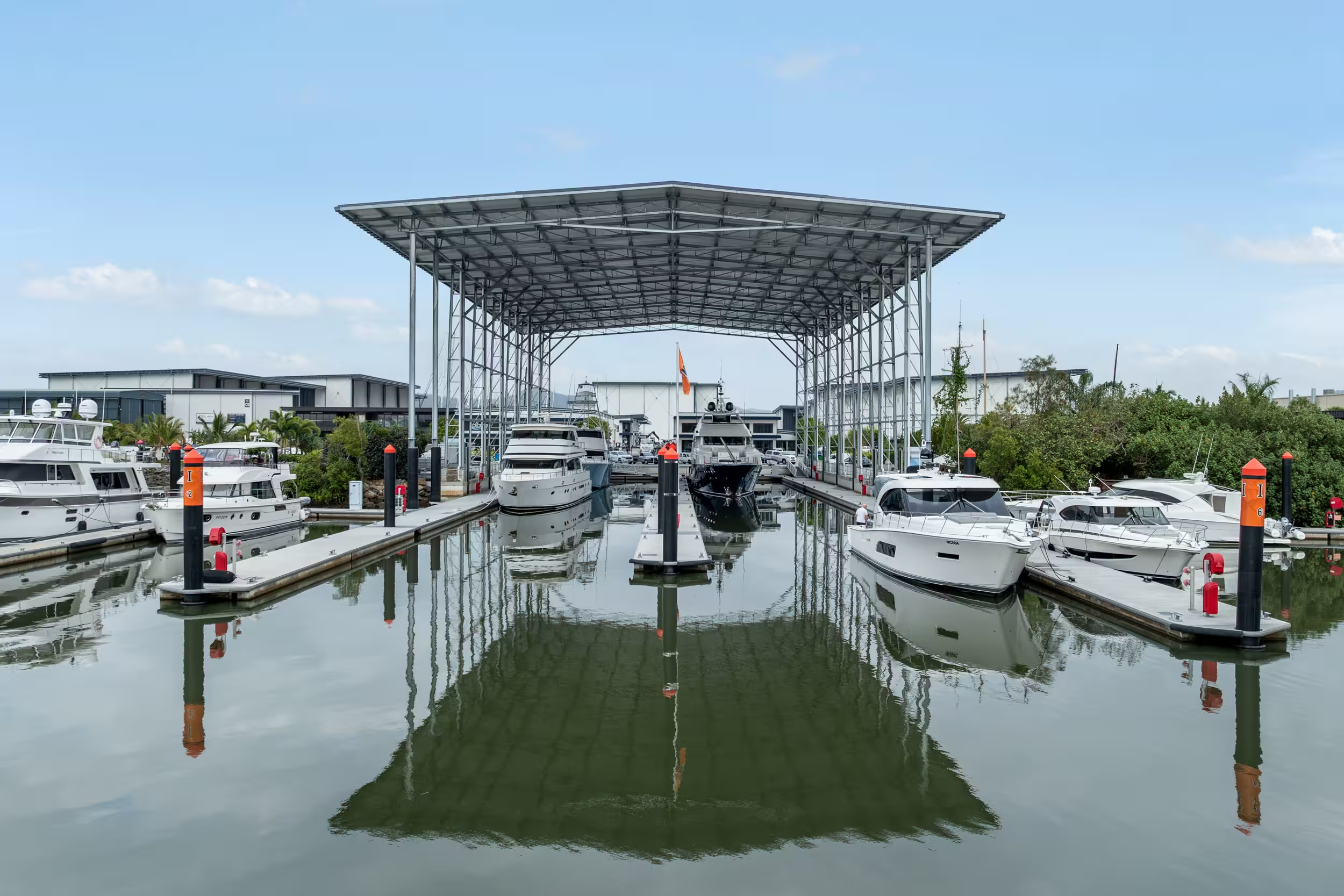
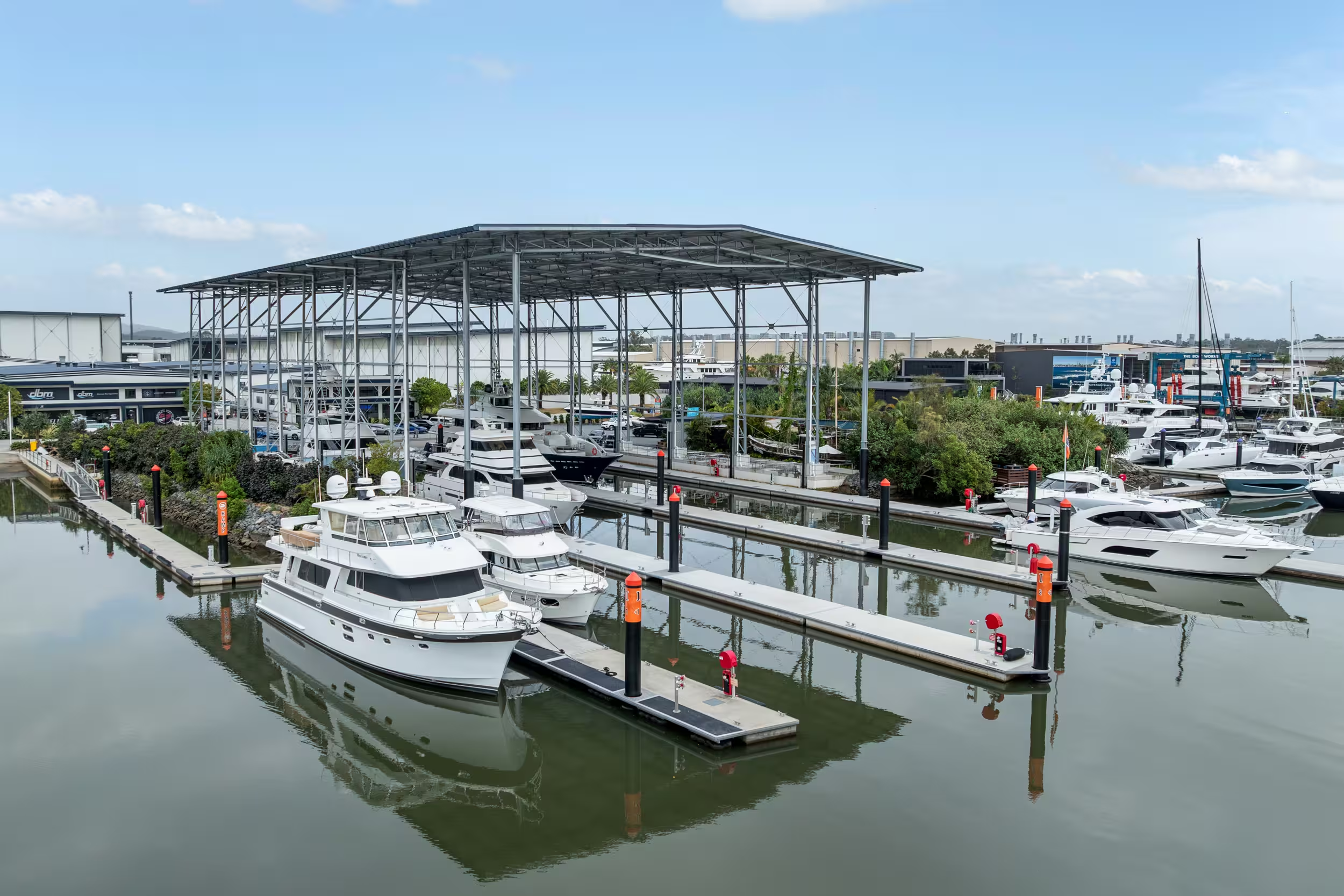
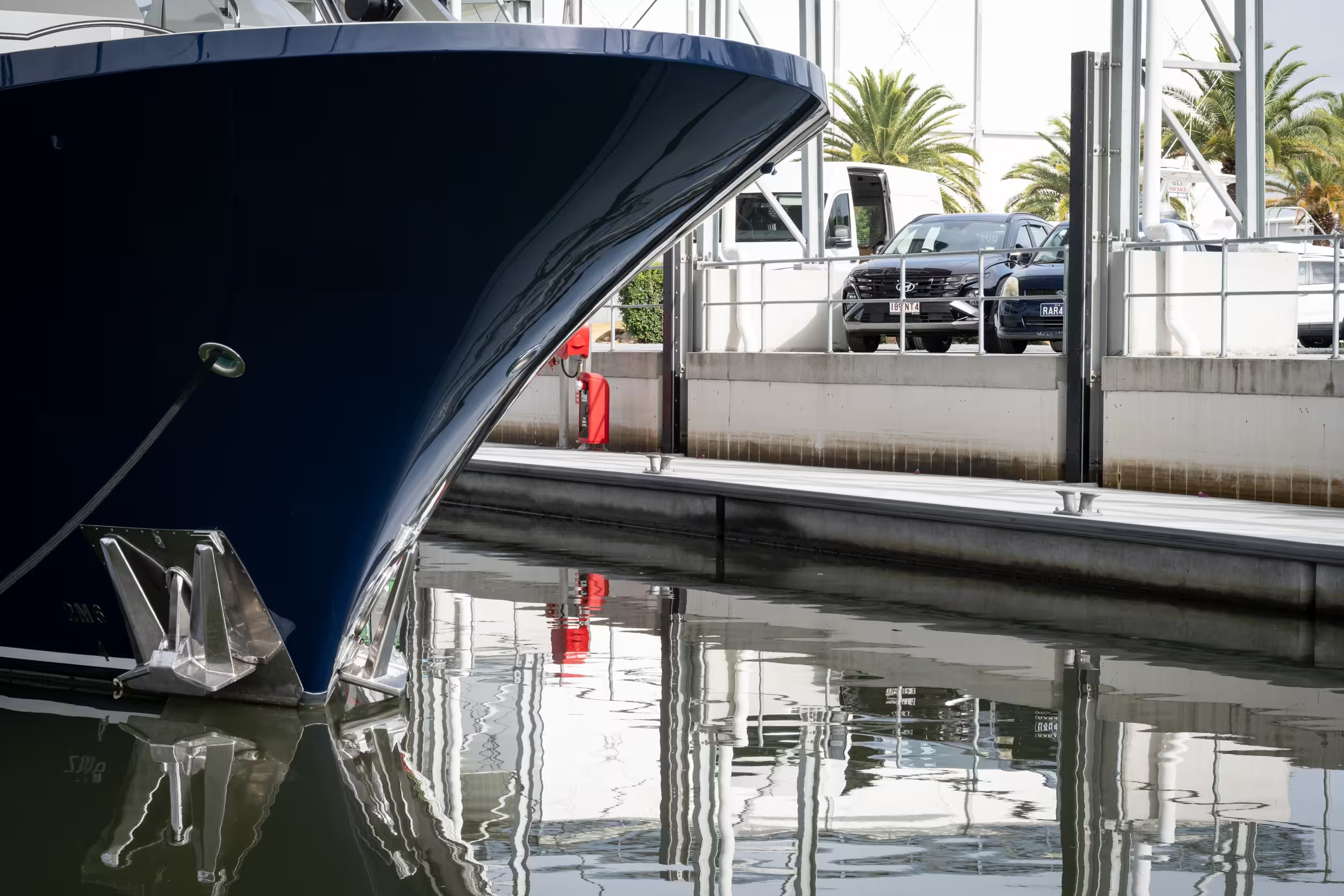
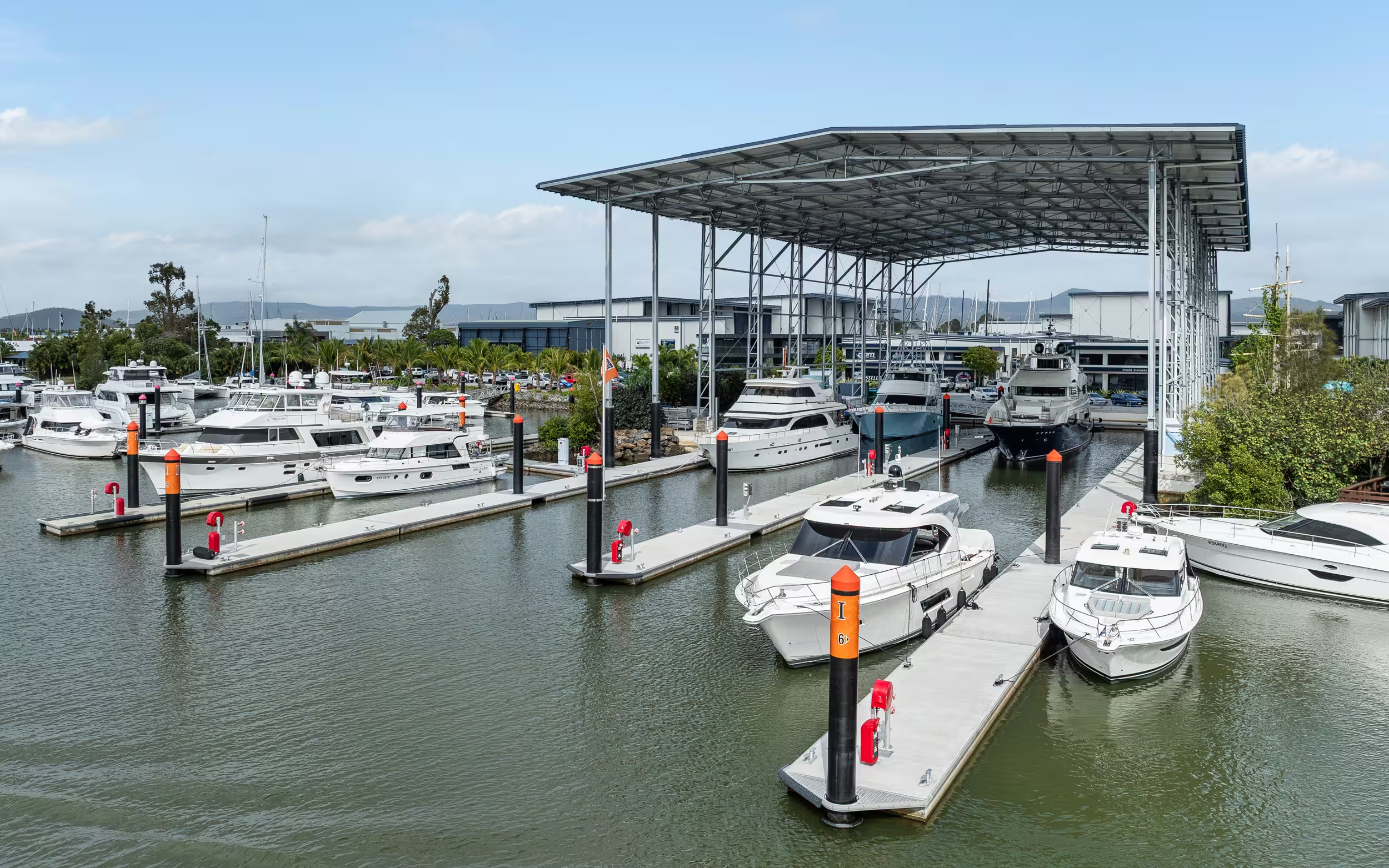
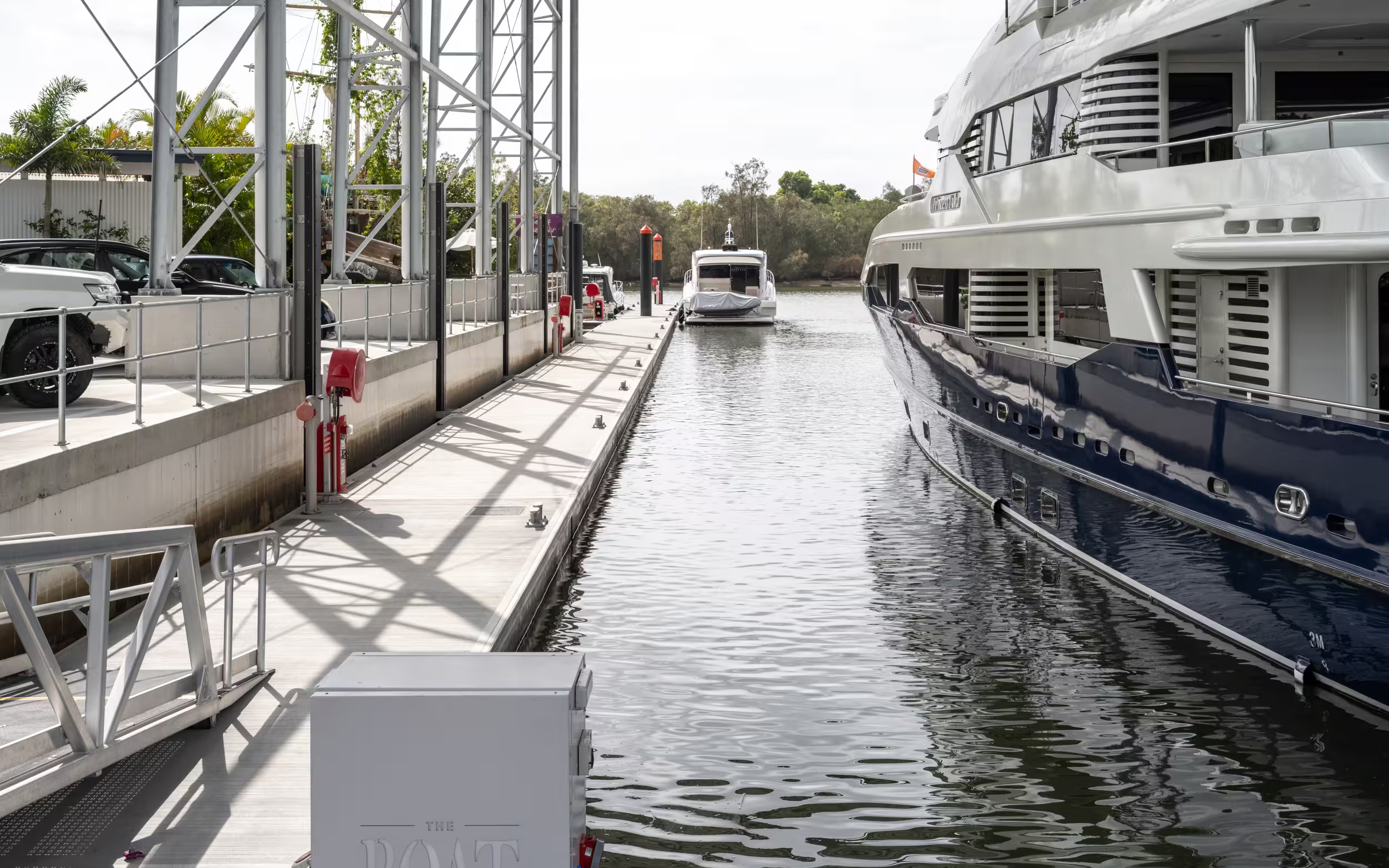
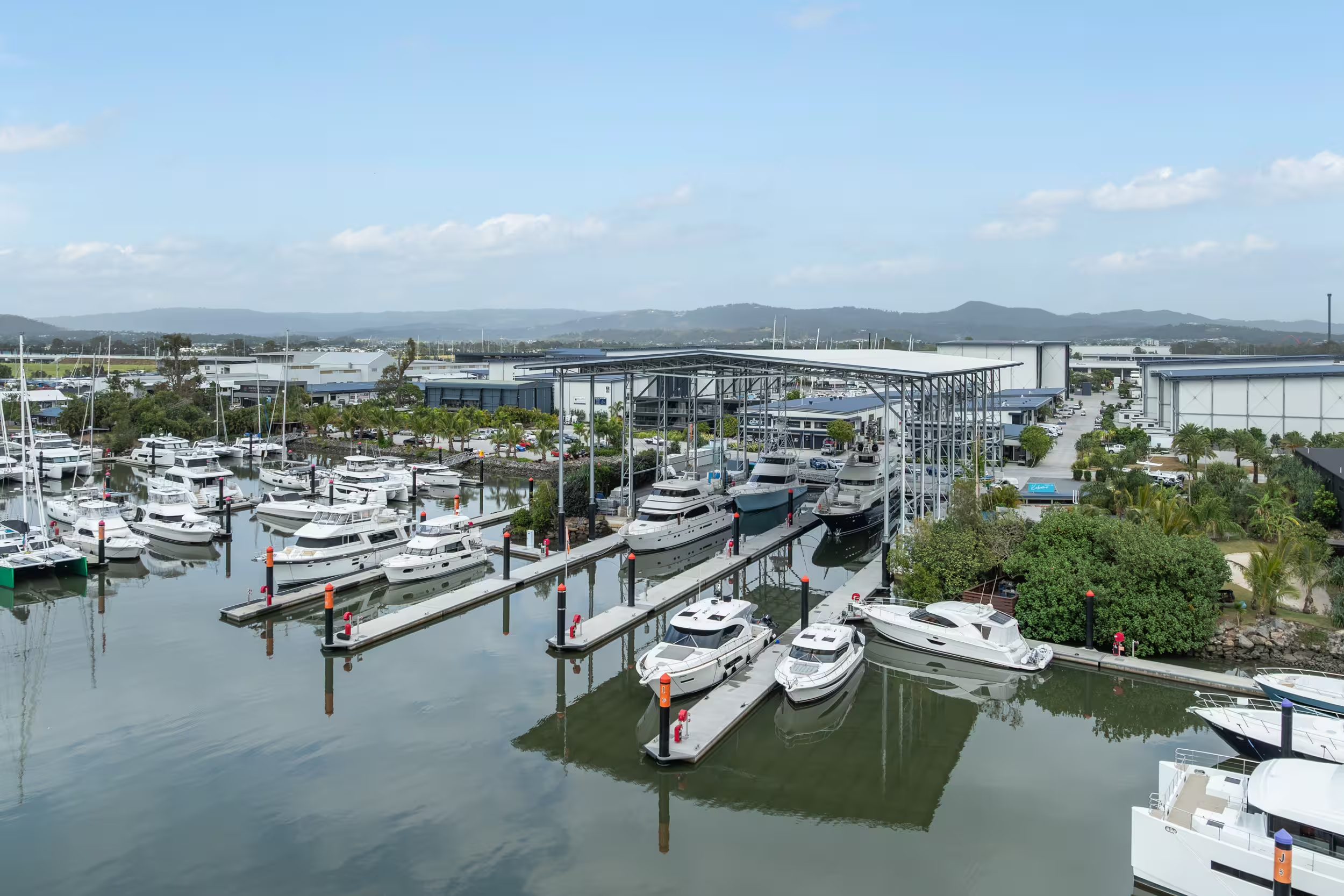
Published: Feb 2026BACKGROUNDStrategically located in the heart of the Gold Coast Marine Precinct, the Boat Works is a premier destination providing a comprehensive range of services, including refit, repair and maintenance, for a wide variety of vessels. Spanning an impressive 55 acres, this state-of-the-art shipyard boasts a 300-tonne travel lift and over 70 individual refit sheds, and it’s been described as one of the largest facilities of this kind in the Southern Hemisphere. | As part of its ongoing expansion to cater to the growing superyacht industry, the Boat Works undertook a $9 million project to create a new, in-water, roofed berthing facility that would accommodate large vessels up to 300 feet in length. The expert team at 4221 Construction, led by Nick Deegan, was contracted to build this new structure, ensuring that all of its critical components – including the robust revetment wall to hold back the land and form the structural foundation for the new berths – were executed to the highest standard. |
“In contrast, the Dincel product seems to stand up well in this environment.”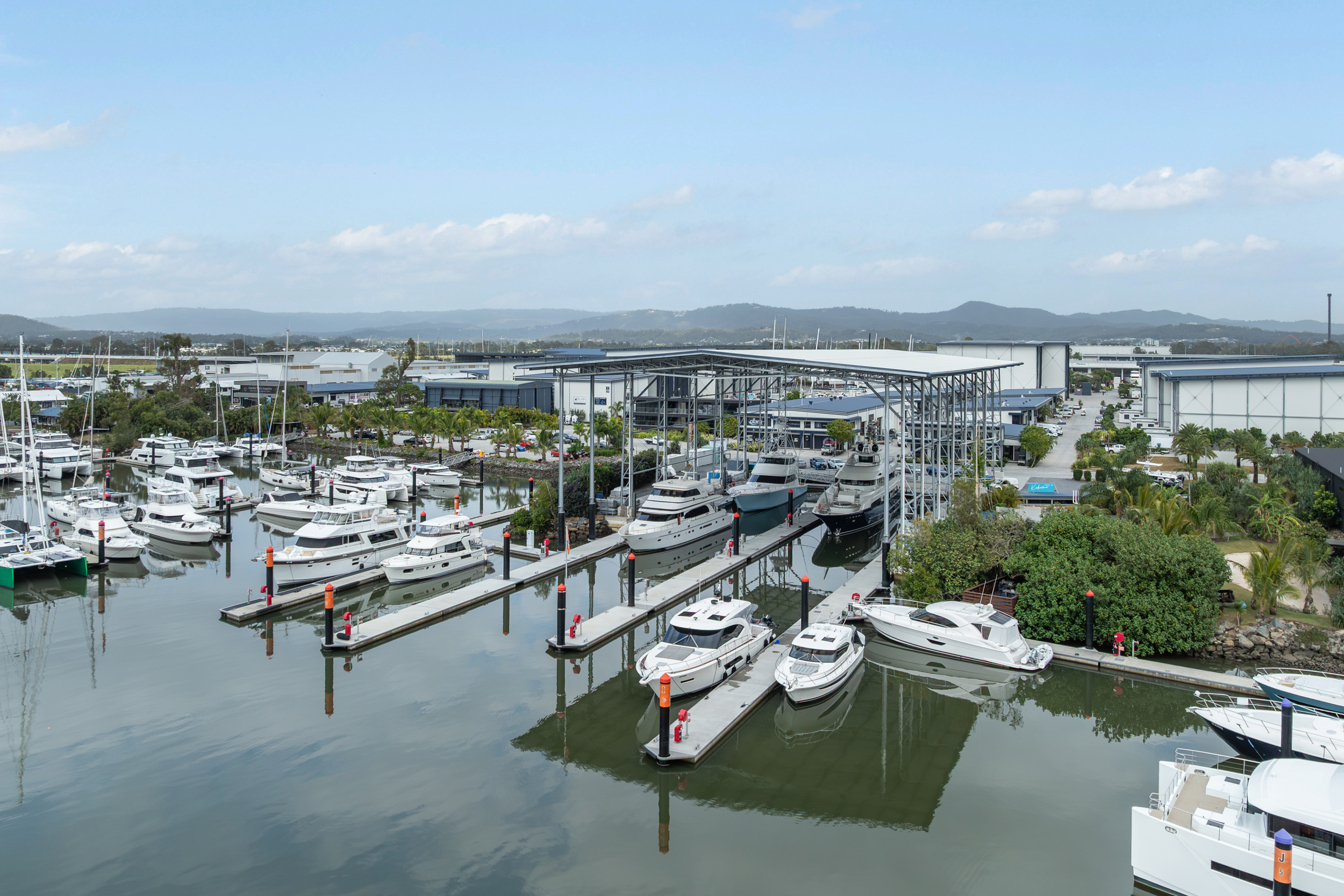
| CHALLENGEConstructing a sea wall in such a demanding environment required a high-performing building solution – and Nick knew that conventional materials, like concrete blocks, wouldn’t be a viable option, due to their tendency to degrade in challenging conditions. “In marine applications, you get a lot of barnacles, scouring and marine growth,” he explains. “Plus, in the tidal zone, the tide rises and falls four times a day and can erode the face of concrete blocks away. We’ve seen many revetment walls where the tide just takes the surface off the block and starts to etch it, making it very rough.” | Another challenge was the sheer scale of the structure. Nick notes that the wall “was going five or six meters deep in the ground,” requiring substantial thickness and strength to ensure the stability of the entire structure, a role typically filled by 300mm in-situ concrete or reinforced blockwork. Plus, the wall had to be intricate, with recesses built in to accommodate pontoon slide guides and the buttresses supporting the roof. |
| SOLUTIONWith all that in mind, Nick explains that, for the 4221
Construction team, the choice of building material was never
in doubt. “Choosing the product was down to us because we’d
worked with it in the past and we know it works well in the
marina,” he says. “We started using Dincel in 2019, when we
did a large development here. Since then, we’ve probably done
about half a kilometre of walls with their stuff.” Backed by these
years of positive, real-world results in the marine setting, the
team confidently specified the Dincel Structural Walling system
for this application.
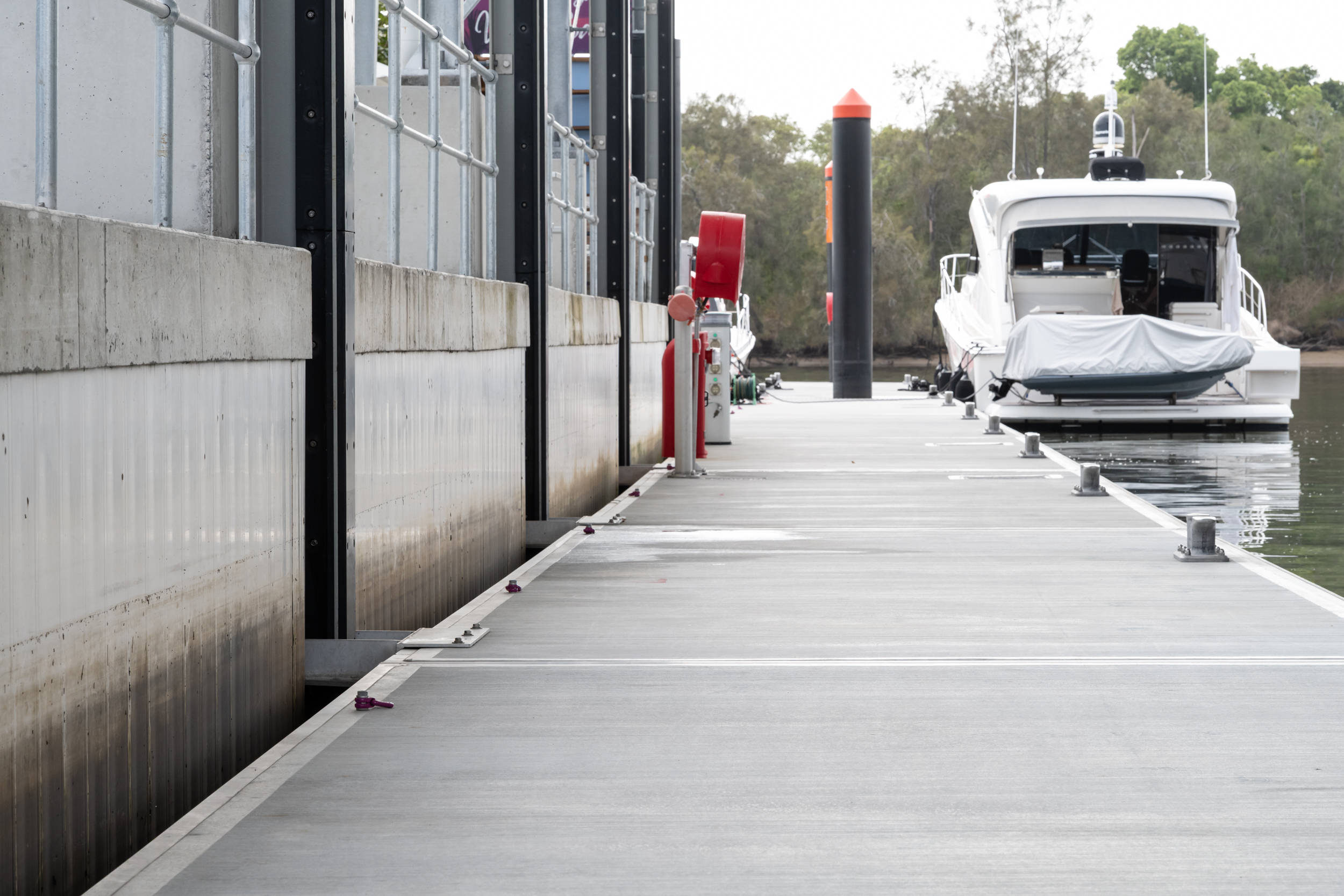
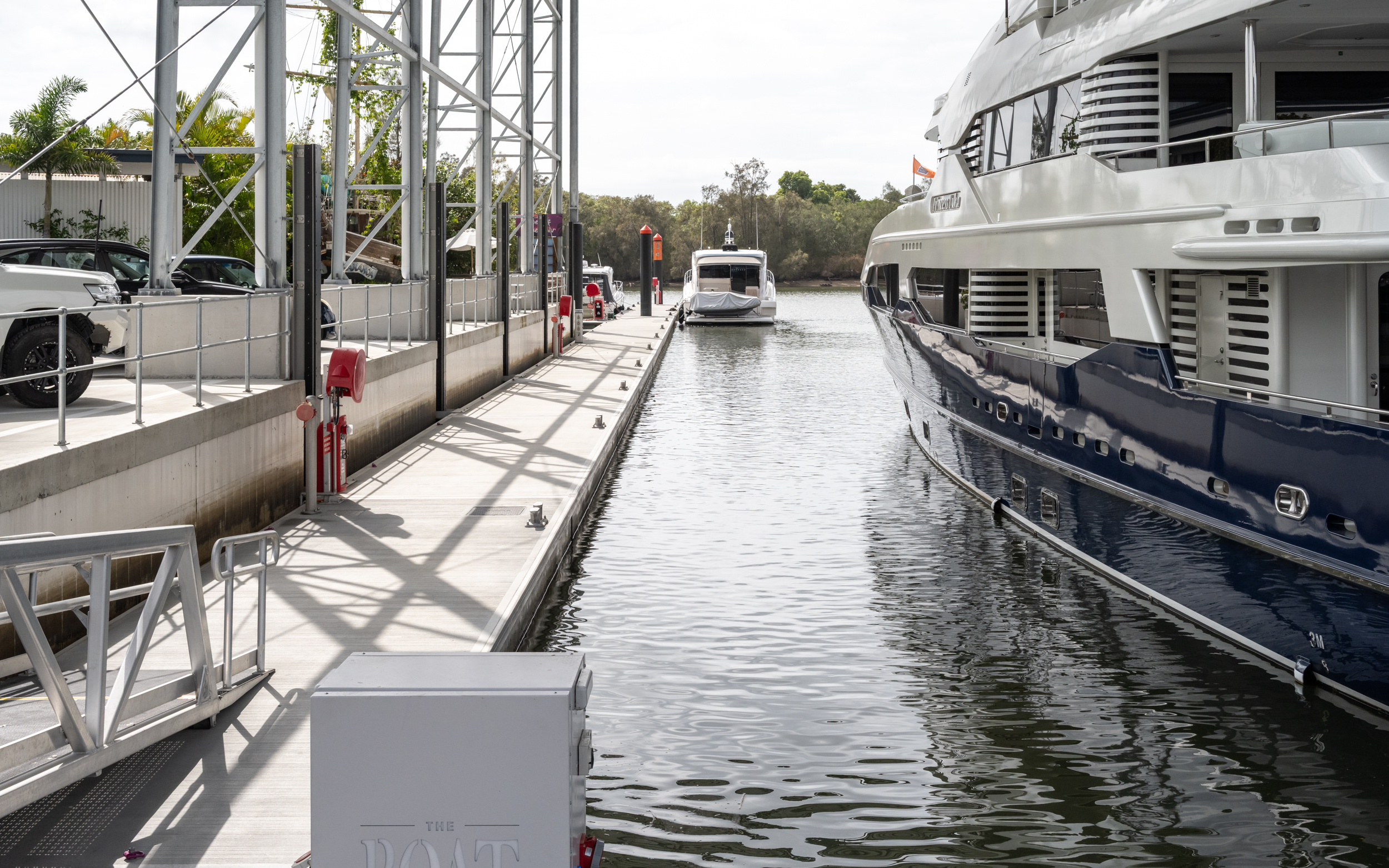
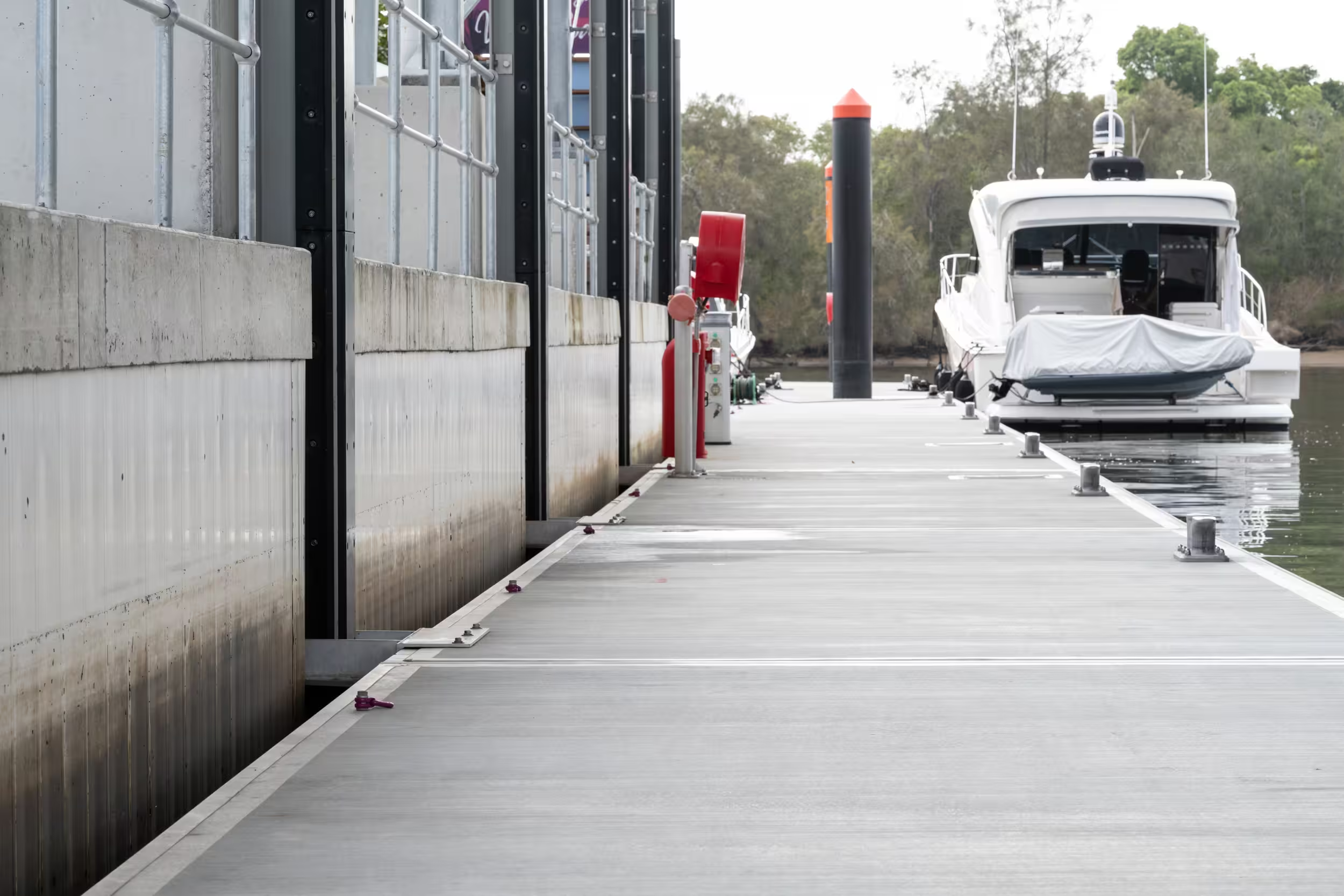
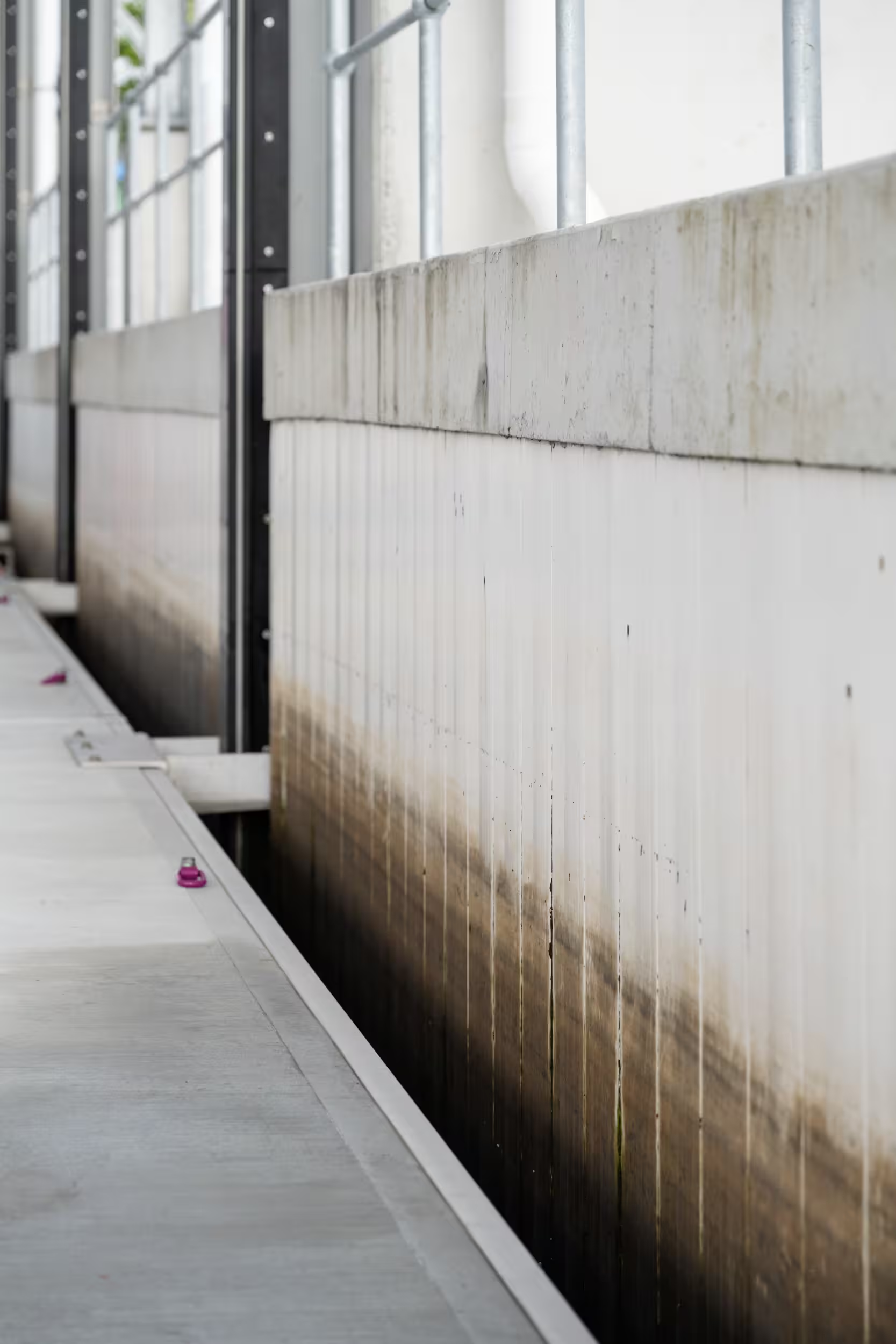
Nick points to several qualities that make the Dincel system a fitting solution, starting with its unmatched durability and low maintenance requirements. While free-draining material was incorporated behind the structure to equalise the pressure between the land and the tide, Dincel’s non-porous polymer surface ensured the panels would be impervious to the corrosive effects of saltwater. As a material, it is naturally rotand mildew-resistant, preventing the deterioration that can be seen in concrete. “Concrete blocks start to deteriorate over time in the tidal zone,” Nick explains. “In contrast, the Dincel product seems to stand up well in this environment.” This inherent durability also makes it remarkably easy to maintain, a crucial benefit in a marine setting. “Because it’s plastic, you can literally go down there at low tide with a high-pressure water blaster and blast off the marine growth,” enthuses Nick. “It looks like it’s almost brand new again.” He adds that what further reinforced Dincel as the right choice for this project was its unique 275mm profile, which met the project’s 300-series requirement. “We needed a 300 series, which is the 300mm thick wall,” Nick explains. “At the time of the initial development, Dincel were the only ones with that product.” As a result, the team utilised approximately 900 square meters of the Dincel 275mm profile, with 700 panels standing 3.8 meters high to form the stable and resilient sea wall. In addition, Dincel Corner Profile was used to encapsulate the steel roof-support posts, creating integrated pockets within the wall. “We used a whole lot of different parts and accessories,” Nick says. “Because there was the wall itself, and then we had to make recesses for the columns to take the pontoon slide guides – so the pontoons can go up and down – and also the buttresses which hold the roof up. There was a lot in it.” By meeting the project’s unique structural demands while delivering proven resilience and ease of upkeep, Dincel provided the ideal solution for the successful expansion of the Boat Works, ensuring a long-lasting, low-maintenance foundation for one of Australia’s top superyacht facilities. | |
Dincel Used
275mm Profiles
Gallery click to view full size
Garage, Carport & Fire Shelter Case Studies
BOAT WORKS, COOMERA, GOLD COAST, QLD
Strategically located in the heart of the Gold Coast Marine Precinct, the Boat Works is a premier destination providing a comprehensive range of services, including refit, repair and maintenance, for a wide variety of vessels. Spanning an impressive 55 acres, this state-of-the-art shipyard boasts a 300-tonne travel lift and over 70 individual refit sheds, and it’s been described as one of the largest facilities of this kind in the Southern Hemisphere.
Rural Farm Fire Shelter
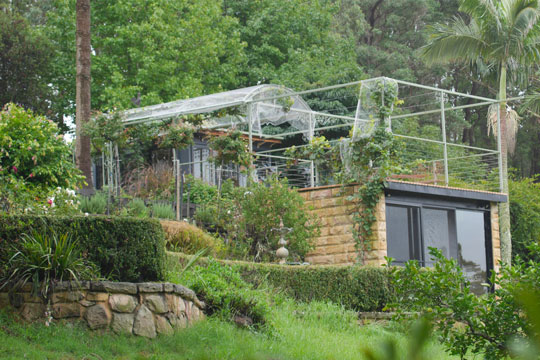
Located in the picturesque Yarramalong Valley, 100km north of Sydney in the NSW Central Coast Hinterland, Greg Woon’s rural property, has been his family’s very own slice of heaven since moving there in 2000.